Cala Luna logoCala Luna by Little Lynx Studios

Social stories · ages 5–9 · 2-minute read

Loud places and noises: a social story

For children who cover their ears at parties, hand dryers or fire alarms. What the sounds are, and what I can do.

The story

Read it aloud together, one card at a time. Point to the pictures and let your child read the last card.

  1. Some places are loud: parties, busy shops and the school hall.

  2. My ears hear sounds very strongly. Loud sounds can feel too big.

  3. Some loud sounds are short, like a hand dryer or a balloon pop. They stop soon.

  4. A fire alarm is very loud. It tells everyone to go outside. Grown-ups help me.

  5. I can wear ear defenders or cover my ears.

  6. I can ask for a quiet place, or go outside for a short break.

  7. I can breathe slowly: smell the flower, blow out the candle.

  8. When I am ready, I can go back and join in.

My calm plan

Pick one or two before the day, and practise them at home.

  • 🎧 Ear defenders
  • 🚪 Quiet place
  • 🌸 Smell the flower, blow the candle
  • ✋ My break signal

Made about your child

Want this story with your child as the hero?

A two-minute calm cartoon where the hero looks like your child and gets through this exact moment, one small step at a time.

$12.99 · ready in 24 hours · checked by a person

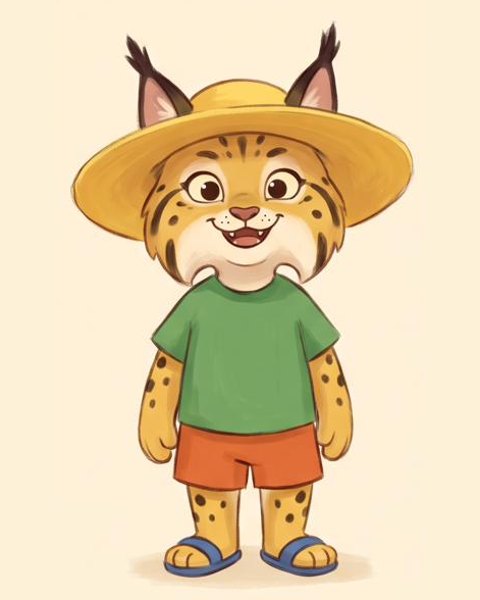
Teo, a small lynx in a big yellow sun hat

How to use this story (for grown-ups)

  • Preview the sounds: tell your child what they will hear and for how long ("the hand dryer is loud for ten seconds").
  • Practise with ear defenders at home first, so they feel familiar before you need them.
  • Agree a break signal and a quiet spot before you arrive, and arrive early before places get busy.
  • Ask the school to warn you before fire drills, so you can read the story the day before.

Why these steps: what 30 years of research says about social stories.

Questions parents ask

Will ear defenders make my child more sensitive?

Used for the loud moments, ear defenders help children cope and join in. Many specialists suggest using them for loud events rather than all day.

When should I ask for help?

If sound sensitivity is distressing every day or getting worse, talk to your doctor. They can check hearing and refer to a specialist if needed.

We read the best free examples and guidance we could find, then wrote a shorter, simpler version in our own words: NHS Lothian: sound sensitivity in children (PDF); And Next Comes L: noise sensitivity in kids. Not medical advice; if you are worried about your child, talk to their school or doctor.