Cala Luna logoCala Luna by Little Lynx Studios
← All 28 social stories

Social stories · Health and body · ages 5–9 · 2-minute read

A wobbly tooth: a social story

For children who worry about wobbly or lost teeth. Losing baby teeth is a normal part of growing up.

The story

Read it aloud together, one card at a time. Point to the pictures and let your child read the last card.

  1. When I was a baby, my first teeth grew. They are called baby teeth.

  2. As I grow, my baby teeth come out to make room for bigger teeth.

  3. A tooth might feel wobbly. It can feel strange when I eat or talk.

  4. I can wiggle it gently with my tongue.

  5. I let my tooth come out by itself when it is ready.

  6. When it comes out, a grown-up can help with a tissue. I can rinse my mouth with water.

  7. A new, bigger tooth slowly grows in the gap.

  8. I keep brushing gently. If it hurts a lot, I tell a grown-up.

  9. Losing teeth means I am growing up!

My calm plan

Pick one or two before the day, and practise them at home.

  • 👅 Gentle wiggle
  • 💧 Rinse with water
  • 🧻 Tissue ready
  • 💬 Tell a grown-up

Personalised social cartoon

Want this story with your child as the hero?

Cala Luna created personalised social cartoons: the social-story method, as a cartoon starring your child. Two minutes, their name, a hero who looks like them, and this exact moment, one small step at a time.

$12.99 · ready in 24 hours · checked by a person

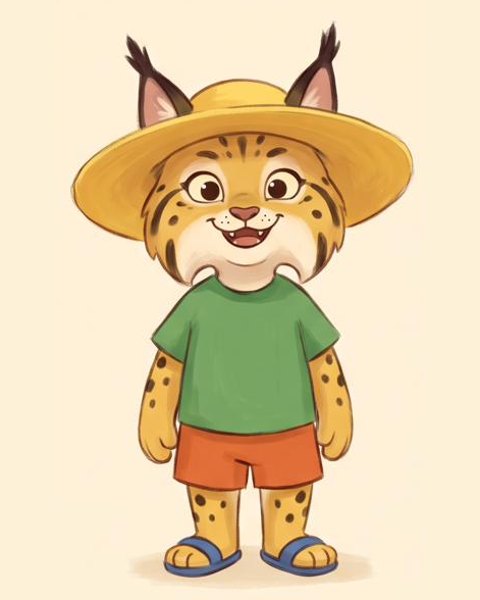
Teo, a small lynx in a big yellow sun hat

How to use this story (for grown-ups)

  • Let wobbly teeth come out naturally, with gentle wiggling. Pulling a tooth before it is ready can hurt and bleed.
  • If your child wants help and the tooth is very loose, hold it with a clean tissue and give a quick, gentle twist.
  • See a dentist if the new tooth comes through but the baby tooth will not loosen, or if there is toothache or swelling.
  • Celebrate the milestone in your family's own way. Every child loses teeth at their own pace.

Why these steps: what 30 years of research says about social stories.

Words that help

  • Try saying: "It might feel strange. It will come out when it is ready."Instead of: "It won't hurt at all."
  • Try saying: "Every child loses teeth at their own time."Instead of: "Your friend has lost three already!"

Questions parents ask

When do children lose their first tooth?

Often around age 6, but earlier or later is common too, and the order varies. Ask your dentist if you are unsure.

My child is scared it will hurt. What can I say?

Be honest: a wobbly tooth can feel strange or a little sore, and when it is ready it usually comes out easily. Avoid promising "it won't hurt" or "there won't be any blood".

Do we have to do the tooth fairy?

No. Some families have a tooth fairy, some keep the tooth in a little box, and some do nothing special. Choose what fits your family.

We read the best free examples and guidance we could find, then wrote a shorter, simpler version in our own words: American Academy of Pediatric Dentistry: pull a wiggly tooth or let it fall out?; American Academy of Pediatrics (HealthyChildren.org): when children begin to lose their baby teeth. Not medical advice; if you are worried about your child, talk to their school or doctor.