Cala Luna logoCala Luna by Little Lynx Studios

Social stories · ages 5–9 · 2-minute read

When new clothes feel wrong: a social story

For children who only wear one T-shirt, pull off new socks or melt down over labels. Small, voluntary steps, with our free episode.

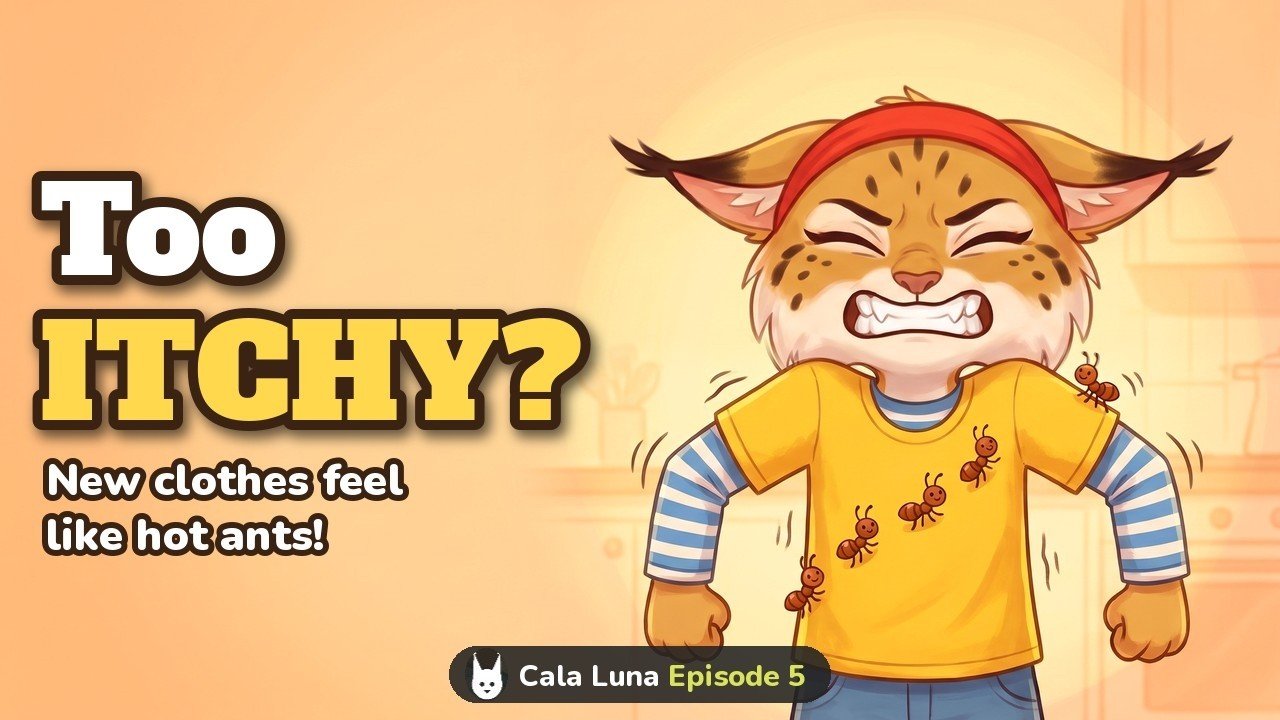
Episode 5 thumbnail: Mila scowls in a yellow T-shirt that feels like hot ants, with the words Too itchy?
Watch: Octopus Skin · Free episode 5 · sensitive skin on YouTube

The story

Read it aloud together, one card at a time. Point to the pictures and let your child read the last card.

  1. I have favourite clothes. They feel soft and just right.

  2. Some new clothes feel itchy, tight or scratchy. My skin notices a lot.

  3. When clothes feel wrong, I can say: "This feels itchy here."

  4. Grown-ups can help: cut out labels, wash clothes first, or choose soft fabric.

  5. I can try new clothes in tiny steps: touch it, hold it, wear it for one minute.

  6. Each day, I can wear it a little longer, if I want to try.

  7. Trying something new is brave, even if I take it off again.

  8. Little by little, new clothes can start to feel OK too.

My calm plan

Pick one or two before the day, and practise them at home.

  • 💬 Say where it feels wrong
  • 🖐️ Touch it first
  • ⏱️ Just one minute
  • 👕 My favourite is still here

Made about your child

Want this story with your child as the hero?

A two-minute calm cartoon where the hero looks like your child and gets through this exact moment, one small step at a time.

$12.99 · ready in 24 hours · checked by a person

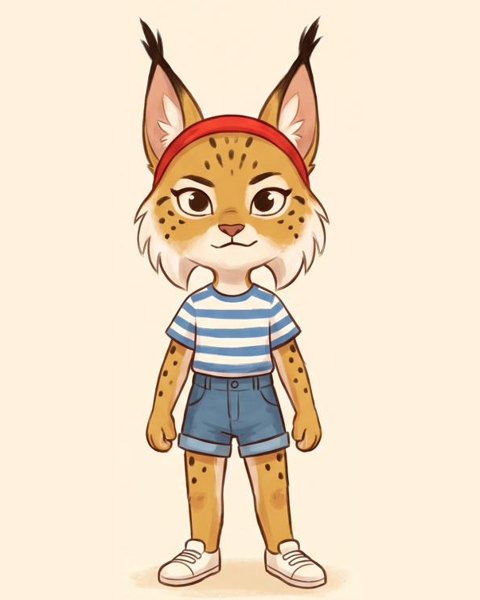
Mila, a young lynx in a red headband and striped T-shirt

How to use this story (for grown-ups)

  • Wash new clothes several times before the first try, remove labels, and look for seam-free socks and soft, tag-free fabrics.
  • Use a ladder of small, voluntary steps, as Mila does in the episode: touch it, hold it, wear it for one minute at home, then longer, then outside.
  • Keep a favourite item available. Feeling safe makes trying easier; forcing usually makes resistance stronger.
  • Let your child choose between two options the night before, so mornings start without a battle.

Why these steps: what 30 years of research says about social stories.

Questions parents ask

Should I make my child wear the new clothes?

Forcing tends to make it worse. Small steps your child agrees to work better, and it is fine to go back to a favourite while you practise.

When should I ask for help?

If clothing reactions are intense, affect school or daily life, or come with other strong sensory reactions, a children's occupational therapist can assess sensory needs and suggest a plan.

We read the best free examples and guidance we could find, then wrote a shorter, simpler version in our own words: NHS Forth Valley: tactile sensitivity and everyday activities (PDF); Northumbria Healthcare NHS: top tips for dressing (PDF). Not medical advice; if you are worried about your child, talk to their school or doctor.