Cala Luna logoCala Luna by Little Lynx Studios
← All 28 social stories

Social stories · Home and family · ages 5–9 · 2-minute read

A new baby in the family: a social story

For children about to become a big brother or sister. What changes, what stays the same, and the feelings in between.

The story

Read it aloud together, one card at a time. Point to the pictures and let your child read the last card.

  1. Our family is going to have a new baby. The baby grows for many months before it is born.

  2. I can look at photos of me when I was a baby. I was small too.

  3. When the baby is born, a grown-up I know will look after me. I still go to school.

  4. Babies are very small. They cry, sleep and drink milk a lot. They need lots of care.

  5. My grown-ups still love me just as much. Love does not run out.

  6. I can help in small ways: fetch things, choose an outfit or sing to the baby.

  7. When I am ready, I can touch the baby gently.

  8. I might feel happy, excited, grumpy or left out. All my feelings are OK, and I can tell a grown-up.

  9. I still have special time with my grown-up. I am a big brother or sister!

My calm plan

Pick one or two before the day, and practise them at home.

  • 💬 Tell a grown-up
  • 🧦 Be a helper
  • ⏰ Special time
  • 🤗 Big hug

Personalised social cartoon

Want this story with your child as the hero?

Cala Luna created personalised social cartoons: the social-story method, as a cartoon starring your child. Two minutes, their name, a hero who looks like them, and this exact moment, one small step at a time.

$12.99 · ready in 24 hours · checked by a person

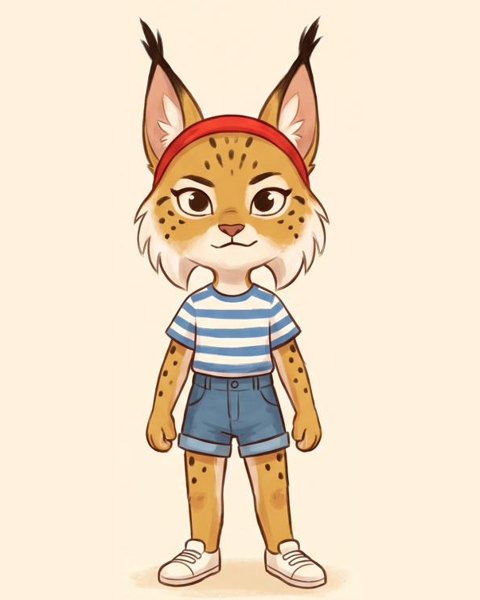
Mila, a young lynx in a red headband and striped T-shirt

How to use this story (for grown-ups)

  • Start talking about the baby months ahead, and link the timing to something your child knows ("after your birthday").
  • Avoid other big changes close to the birth, such as a new bed, room or school. Do them weeks before, or after the baby has settled.
  • Plan a few minutes of one-to-one time every day, and keep school and bedtime routines as steady as you can.
  • At the first meeting, have the baby in a cot or someone else's arms, so you can greet your older child with open arms. Offer small jobs, but never force interest.

Why these steps: what 30 years of research says about social stories.

Words that help

  • Try saying: "The baby needs lots of help. I still love you just as much."Instead of: "Nothing will change."
  • Try saying: "It is OK to feel cross about the baby sometimes."Instead of: "You should love your new baby."

Questions parents ask

My child is acting like a baby again. Is that normal?

Yes, it is very common. Many children ask to be carried or use baby talk for a while. Stay warm, keep limits kind and steady, and notice their "big kid" moments.

Should I tell my child that nothing will change?

No. Be honest that the baby will need lots of time. Then be clear about what stays the same: your love, their school and their special time with you.

We read the best free examples and guidance we could find, then wrote a shorter, simpler version in our own words: Just One Norfolk (NHS): introducing your children to your new baby; KidsHealth (Nemours): preparing your child for a new sibling. Not medical advice; if you are worried about your child, talk to their school or doctor.