Cala Luna logoCala Luna by Little Lynx Studios
← All 28 social stories

Social stories · Out and about · ages 5–9 · 2-minute read

A playdate at a friend's house: a social story

Playing at a friend's house is fun, and a little different from home. What usually happens, and what I can do.

The story

Read it aloud together, one card at a time. Point to the pictures and let your child read the last card.

  1. Sometimes I go to a friend's house to play. That is called a playdate.

  2. When I arrive, I say hello to my friend and their grown-up.

  3. At my friend's house, their grown-up is in charge. Their house rules might be different from mine.

  4. I ask before I use things. My friend might have special toys they keep for themselves.

  5. We take turns choosing games, and we take turns with toys.

  6. There might be a snack. I can say "yes please" or "no thank you".

  7. If I need a break, I can use my signal or tell a grown-up.

  8. When it is time to go, I help tidy up and say "thank you for having me".

  9. I had a playdate with my friend!

My calm plan

Pick one or two before the day, and practise them at home.

  • 🙋 Ask first
  • 🔁 Take turns
  • ✋ Break signal
  • 🧹 Help tidy

Personalised social cartoon

Want this story with your child as the hero?

Cala Luna created personalised social cartoons: the social-story method, as a cartoon starring your child. Two minutes, their name, a hero who looks like them, and this exact moment, one small step at a time.

$12.99 · ready in 24 hours · checked by a person

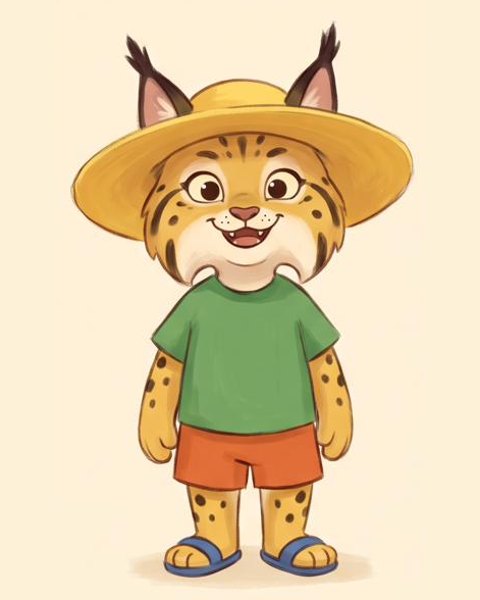
Teo, a small lynx in a big yellow sun hat

How to use this story (for grown-ups)

  • Keep the first playdates short (an hour is plenty) and with one friend who shares your child's interests. A short, happy playdate is the goal.
  • Plan one or two activities and a backup, and role-play saying hello, asking for a turn and saying goodbye.
  • Tell the host about any allergies or needs, and agree how your child can ask for a break.
  • Afterwards, talk about the fun parts first, then one tricky part and what to try next time. See also our sharing story.

Why these steps: what 30 years of research says about social stories.

Words that help

  • Try saying: "At Leo's house, his grown-up decides the rules."Instead of: "Be good or we'll never come again."
  • Try saying: "Two more minutes, then it's time to say thank you."Instead of: "Time to go!" with no warning

Questions parents ask

Should I stay at the first playdate?

For younger or anxious children, yes, or invite the friend to your home first. It makes it easy to end on a good note.

What if the playdate goes badly?

Keep it shorter next time, plan a clear activity and choose a calm time of day. One tricky playdate is normal; it is how children practise.

We read the best free examples and guidance we could find, then wrote a shorter, simpler version in our own words: Children's Specialized Hospital: real-life tips for kids with autism, play dates (PDF); Understood: four playdate problems and how to handle them. Not medical advice; if you are worried about your child, talk to their school or doctor.