Cala Luna logoCala Luna by Little Lynx Studios
← All 28 social stories

Social stories · Feelings and friends · ages 5–9 · 2-minute read

Saying sorry: a social story

A real sorry is more than a word. This story shows the small steps, without forcing it.

The story

Read it aloud together, one card at a time. Point to the pictures and let your child read the last card.

  1. Sometimes I hurt someone's body or feelings. It can happen by accident, or when I am cross.

  2. I can look at their face. Are they sad, hurt or cross?

  3. If I feel upset too, I can calm down first. That is OK.

  4. When I am ready, I can say what I did: "I'm sorry I knocked over your tower."

  5. I can help make it better: help build it again, or ask "Are you OK?"

  6. I can think about what I will do differently next time.

  7. The other person might still feel upset for a while. That is OK. Feelings take time.

  8. Saying sorry and meaning it helps people feel better.

My calm plan

Pick one or two before the day, and practise them at home.

  • 🫁 Calm down first
  • 💬 "I'm sorry I…"
  • 🤝 Help fix it
  • 💭 Next time I will…

Personalised social cartoon

Want this story with your child as the hero?

Cala Luna created personalised social cartoons: the social-story method, as a cartoon starring your child. Two minutes, their name, a hero who looks like them, and this exact moment, one small step at a time.

$12.99 · ready in 24 hours · checked by a person

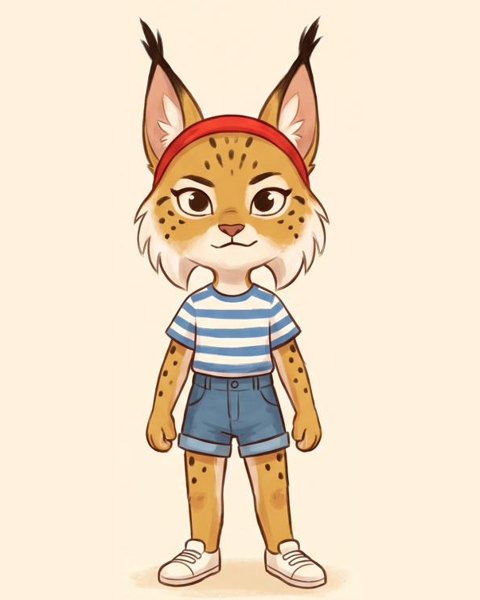
Mila, a young lynx in a red headband and striped T-shirt

How to use this story (for grown-ups)

  • Avoid forcing a sorry in the heat of the moment. In a University of Michigan study, children aged 4 to 9 thought a forced apology left the hurt child feeling worse than a willing one.
  • Wait until everyone is calm, then ask gentle questions: "How do you think Ella felt when her tower fell?"
  • Teach the steps when nobody is upset: say what you did, help make it better, and think about next time.
  • Model it yourself. "I'm sorry I shouted. I was tired. Next time I'll take a breath" teaches more than any lecture.

Why these steps: what 30 years of research says about social stories.

Words that help

  • Try saying: "Let's calm down, then we can check on Ella."Instead of: "Say sorry right now!"
  • Try saying: "How could we help fix the tower?"Instead of: "Say it like you mean it."

Questions parents ask

So I should never ask my child to say sorry?

Rather than insisting on the word, help your child calm down, notice the other person's feelings and do something to make it better. A sorry that comes from them means more to both children.

What if the other child will not forgive them?

That is OK. Explain that feelings take time, and that saying sorry is still kind even if the other person is still upset.

We read the best free examples and guidance we could find, then wrote a shorter, simpler version in our own words: Understood: how to teach kids to give a genuine apology; Futurity (University of Michigan study): forced apologies and children. Not medical advice; if you are worried about your child, talk to their school or doctor.