Cala Luna logoCala Luna by Little Lynx Studios
← All 28 social stories

Social stories · Feelings and friends · ages 5–9 · 2-minute read

Waiting my turn: a social story

Waiting can feel very long. This story shows what turns are, and what I can do while I wait.

The story

Read it aloud together, one card at a time. Point to the pictures and let your child read the last card.

  1. Sometimes there is one slide or one game, and lots of children want a go.

  2. So we take turns. One person has a go while the others wait.

  3. A sand timer, a song or the line getting shorter shows me my turn is coming.

  4. Waiting can feel very long. I might feel wiggly or cross. That is OK.

  5. While I wait, I can count, hum a song or take slow breaths.

  6. I can ask: "Can I go next?"

  7. When the timer finishes, it is my turn!

  8. After my turn, the next person goes. Taking turns keeps games fair and fun.

My calm plan

Pick one or two before the day, and practise them at home.

  • ⏳ Watch the timer
  • 🔢 Count slowly
  • 🎵 Hum a song
  • 💬 "Can I go next?"

Personalised social cartoon

Want this story with your child as the hero?

Cala Luna created personalised social cartoons: the social-story method, as a cartoon starring your child. Two minutes, their name, a hero who looks like them, and this exact moment, one small step at a time.

$12.99 · ready in 24 hours · checked by a person

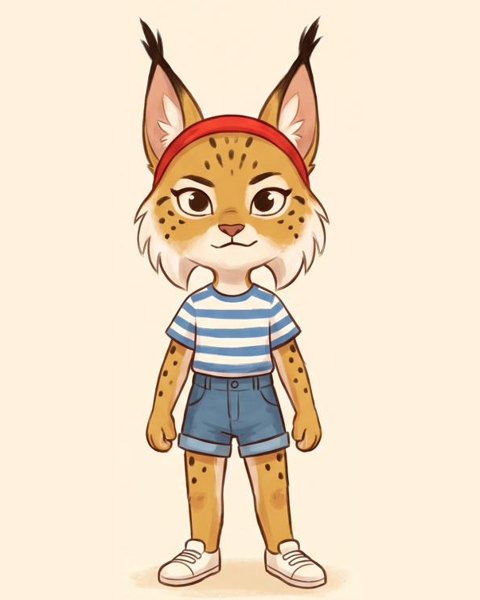
Mila, a young lynx in a red headband and striped T-shirt

How to use this story (for grown-ups)

  • Start with very short waits in everyday moments, like a snack or a quick game, then make them longer little by little.
  • Make the wait visible: a sand timer, a "first, then" picture or a short song shows when it ends.
  • Play turn-taking games such as rolling a ball, Simon Says or simple board games, and say "my turn, your turn" as you play.
  • Praise waiting straight away and specifically: "You waited for the timer. Now it's your go!"

Why these steps: what 30 years of research says about social stories.

Words that help

  • Try saying: "When the sand runs out, it is your turn."Instead of: "In a minute."
  • Try saying: "You waited so well!"Instead of: "Stop moaning and wait."

Questions parents ask

Why does my child find waiting so hard?

Young children have only a rough sense of time, so waiting feels endless. Seeing the wait (a timer or a shrinking line) helps more than words like "in a minute".

How long should we practise waiting?

Start with a few seconds, then build to a minute or two over weeks. Success at short waits builds confidence for longer ones.

We read the best free examples and guidance we could find, then wrote a shorter, simpler version in our own words: The Watson Institute: teaching children patience and waiting turns; National Center for Pyramid Model Innovations: how to teach your child to take turns (PDF). Not medical advice; if you are worried about your child, talk to their school or doctor.