Cala Luna logoCala Luna by Little Lynx Studios

Social stories · ages 5–9 · 2-minute read

Talking at school: a gentle social story

For children who chat at home but go quiet at school. The story takes the pressure off and makes talking a ladder of tiny steps.

The story

Read it aloud together, one card at a time. Point to the pictures and let your child read the last card.

  1. At home, I talk a lot. I tell jokes and stories.

  2. At school, sometimes my words get stuck. That can happen when I feel nervous.

  3. My words are not lost. They are waiting until I feel ready.

  4. I can still join in. I can point, nod, draw or give a thumbs-up.

  5. Talking can start with tiny steps: a whisper, one word, or talking to one friend.

  6. My teacher will not make me talk. We practise small steps together.

  7. Every small step counts, even a quiet "yes".

  8. Step by step, talking at school can get easier.

My calm plan

Pick one or two before the day, and practise them at home.

  • 👍 Thumbs-up is fine
  • 🪜 One tiny step
  • 🤝 Talk with one friend
  • 🫁 Slow breaths

Made about your child

Want this story with your child as the hero?

A two-minute calm cartoon where the hero looks like your child and gets through this exact moment, one small step at a time.

$12.99 · ready in 24 hours · checked by a person

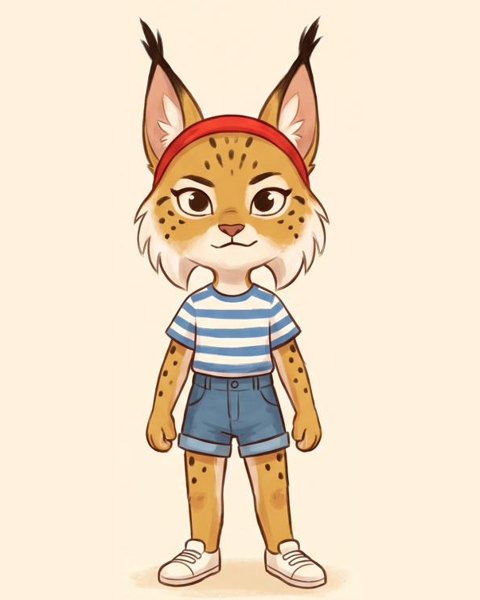
Mila, a young lynx in a red headband and striped T-shirt

How to use this story (for grown-ups)

  • Take the pressure off. Avoid "say hello" or "use your words" in front of others, and do not make a big fuss when your child does speak.
  • Agree with the school that non-verbal answers (pointing, nodding, cards) count, so your child can join in now.
  • Ask the school about a "small steps" plan with one key adult: speaking first in a quiet room, then with one friend, then in class.
  • Children who speak freely at home but cannot speak at school for more than a month (beyond the first month at a new school) may have selective mutism, an anxiety condition. Ask the school or your doctor about a speech and language assessment.

Why these steps: what 30 years of research says about social stories.

Questions parents ask

Is my child just shy?

Many quiet children are shy and warm up within weeks. Selective mutism is different: the child wants to talk but freezes in certain places, often for months. Charities such as SMiRA explain the signs.

Will a story make my child talk?

No story makes a child talk, and pushing usually makes it harder. A story helps a child understand that the stuck feeling is normal and that small steps are allowed, which is the starting point for the gradual approaches professionals use.

We read the best free examples and guidance we could find, then wrote a shorter, simpler version in our own words: SMiRA (Selective Mutism Information and Research Association): planning small steps programmes; Child Mind Institute: brave talking. Not medical advice; if you are worried about your child, talk to their school or doctor.