Cala Luna logoCala Luna by Little Lynx Studios
← All 28 social stories

Social stories · Health and body · ages 5–9 · 2-minute read

Trying new food: a social story

For children who stick to a few safe foods. No pressure: getting to know a food counts as trying.

The story

Read it aloud together, one card at a time. Point to the pictures and let your child read the last card.

  1. Sometimes there is a new food on my plate. New foods can look, smell or feel different.

  2. There is a food I already like on my plate too.

  3. I can get to know the new food. First I can look at it.

  4. I can touch it, smell it, or give it a little kiss with my lips.

  5. If I want to, I can try a tiny taste.

  6. If I like it, I can ask for more.

  7. If I do not like it, I can say "No thank you". That is OK.

  8. Lots of people need many tries before a new food feels familiar.

  9. Every time I get to know a new food, I am learning.

My calm plan

Pick one or two before the day, and practise them at home.

  • 👀 Just look
  • 🖐️ Touch or smell
  • 👅 Tiny taste
  • 🙅 "No thank you"

Personalised social cartoon

Want this story with your child as the hero?

Cala Luna created personalised social cartoons: the social-story method, as a cartoon starring your child. Two minutes, their name, a hero who looks like them, and this exact moment, one small step at a time.

$12.99 · ready in 24 hours · checked by a person

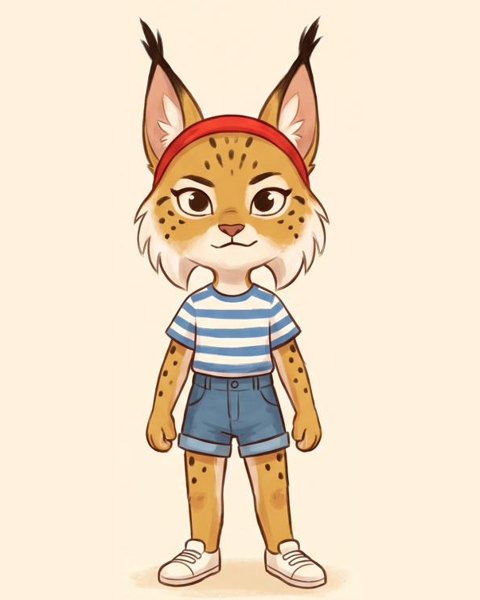
Mila, a young lynx in a red headband and striped T-shirt

How to use this story (for grown-ups)

  • Serve a tiny amount of the new food next to a food your child already likes. It can take 10 to 15 tries, or more, before a food is accepted.
  • Eat together at the table without screens, and let your child see you look at, smell and enjoy new foods.
  • Take the pressure off: no bribes, no "one more bite" and no pudding as a reward. Remove uneaten food calmly, without comment.
  • Involve your child in shopping, washing and cooking food, and in messy food play away from mealtimes.

Why these steps: what 30 years of research says about social stories.

Words that help

  • Try saying: "You don't have to eat it. You can just look."Instead of: "Just one more bite."
  • Try saying: "You touched the broccoli!"Instead of: "You are such a picky eater."

Questions parents ask

Should I make my child take one bite?

Most children's dietitians advise against it. Pressure, even gentle, tends to make children more wary. Looking, touching and smelling are real steps towards tasting.

When should I worry about fussy eating?

Many children go through fussy phases. Talk to your doctor or health visitor if you are worried about growth or energy, if the list of accepted foods is very short, or if mealtimes are causing distress.

We read the best free examples and guidance we could find, then wrote a shorter, simpler version in our own words: University Hospitals Birmingham NHS: fussy eaters (PDF); Raising Children Network: fussy eating. Not medical advice; if you are worried about your child, talk to their school or doctor.